
Supply Chain & Trade
The Ripple Effects of Global Conflicts on African Supply Chains
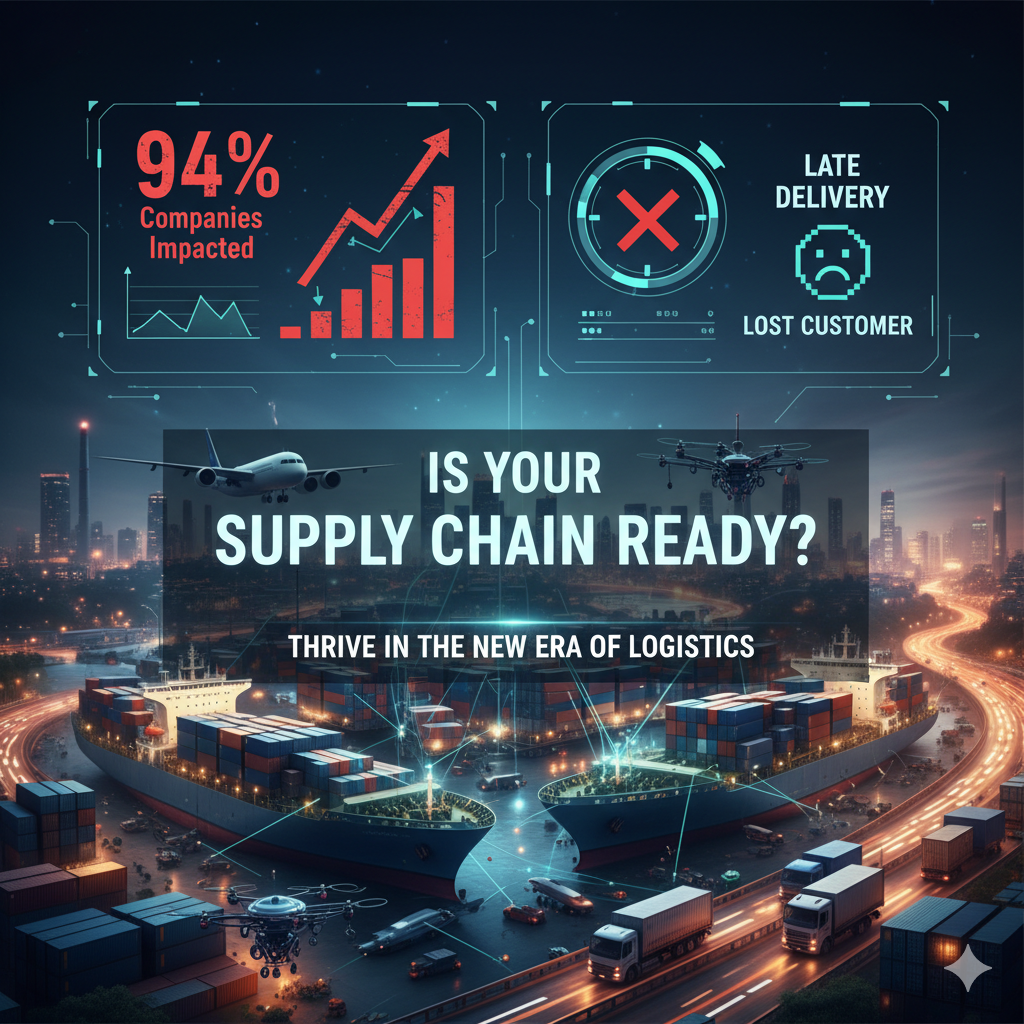
How wars, sanctions, and trade restrictions disrupt regional trade flows
In today’s interconnected world, conflict in one part of the globe can trigger ripple effects that travel thousands of miles — reaching warehouses, ports, and marketplaces across Africa. Global supply chains are no longer isolated systems; they are tightly woven networks where disruptions in one region can slow down or completely halt movement elsewhere.
The Chain Reaction of Global Instability
When war or political tension breaks out, the immediate impact is often local — damaged infrastructure, closed borders, or restricted trade routes. But the aftershocks are global.
For African economies, the most visible effects include:
-
Rising transportation costs: Increased fuel prices and longer detours around conflict zones drive up freight costs.
-
Delays in raw material supply: Many African manufacturers rely on imported inputs — from machinery parts to chemicals — that may be sourced from or routed through affected regions.
-
Volatile commodity prices: Sanctions or production halts in major exporting countries can cause sharp price swings in oil, wheat, metals, and fertilizers.
A recent example is the Russia–Ukraine conflict, which caused dramatic increases in global food and fertilizer prices. Many African countries, heavily dependent on imports from the Black Sea region, felt the impact almost immediately. The result? Higher food costs, delayed shipments, and disrupted agricultural cycles.
The Hidden Costs Behind the Headlines
While the headlines often focus on shipping delays or price hikes, the hidden costs are equally significant. Supply chain disruptions can weaken local industries, reduce export competitiveness, and create uncertainty that deters foreign investment.
Small and medium enterprises (SMEs) — the backbone of African economies — often suffer the most. Without strong logistics networks or alternative sourcing options, many struggle to stay afloat when international routes become unstable.
Additionally, conflicts tend to expose Africa’s overreliance on external supply sources. From pharmaceuticals to processed foods, many essential products still depend on imports that can easily be disrupted by sanctions or trade barriers.
Building Resilience: Lessons for Africa
These global challenges present an opportunity for reflection — and action. To safeguard against future disruptions, Africa’s supply chain stakeholders must prioritize:
-
Regional integration and trade diversification:
Strengthening intra-African trade under the AfCFTA (African Continental Free Trade Area) can reduce dependence on distant markets. -
Local manufacturing and value addition:
Investing in domestic production capacity will help stabilize prices and shorten lead times. -
Digital visibility and risk management:
Leveraging technology to track goods, analyze risk exposure, and forecast disruptions enables proactive decision-making. -
Continuous training and professional development:
Skilled supply chain professionals are key to managing uncertainty. Training institutions like Multimix Academy play a vital role in equipping professionals with the knowledge to build resilient systems that can withstand global shocks.
Conclusion
Global conflicts may seem far away, but their economic tremors reach Africa’s ports, factories, and markets faster than ever before. The key takeaway for African logistics and supply chain professionals is clear: resilience must become a deliberate strategy, not a reaction.
By investing in regional collaboration, local production, and human capital development, Africa can turn global disruptions into opportunities for sustainable growth.
Multimix Academy continues to empower professionals across the continent with practical, world-class training in logistics, supply chain, and trade management — preparing Africa’s workforce for the realities of a changing global economy.



Comments